Deep DiveBy the Divine Health Editorial Team · 8 min read
Of the twelve health markers in Dr. Colbert’s new book, Live Long and Strong, two rarely show up on routine bloodwork, and both can quietly shape the health of your heart and brain for decades: inflammation (hs-CRP) and homocysteine.
Key Takeaways
- ◆Chronic, low-grade inflammation is a common thread linked with heart disease, joint problems, insulin resistance and cognitive decline.
- ◆The hs-CRP test measures that low-grade inflammation. Under 1.0 mg/L is considered lower cardiovascular risk.
- ◆Homocysteine, which Dr. Colbert calls the “memory thief,” is closely tied to your B-vitamin status.
- ◆Both markers are often responsive to food, movement, weight, sleep, stress and targeted nutrition.
Marker #5: Inflammation, the Quiet Fire
Inflammation is not the enemy. When you cut your finger or fight off a cold, short bursts of inflammation help you heal. The trouble starts when that response never fully shuts off. Low-grade, chronic inflammation can simmer for years without obvious symptoms, and it is a central theme of Live Long and Strong because it is associated with so many of the conditions people fear most.
How it is measured
The high-sensitivity C-reactive protein (hs-CRP) test is a simple blood test. CRP is made by the liver in response to inflammation. Widely used cardiology guidance groups results like this:
< 1.0
mg/L: lower cardiovascular risk
1.0 to 3.0
mg/L: average risk
> 3.0
mg/L: higher risk (recheck if you were recently sick)
What tends to raise it
- ✓Diets high in sugar, refined carbohydrates and ultra-processed foods
- ✓Excess belly (visceral) fat, which is metabolically active tissue
- ✓Poor sleep and chronic stress
- ✓A sedentary lifestyle
- ✓An unhealthy gut environment
- ✓Smoking
What supports a healthy inflammatory response
- ✓A Mediterranean-style, whole-food plate rich in vegetables, olive oil, fish, nuts and berries
- ✓Omega-3 fatty acids from fatty fish or a quality fish oil
- ✓Daily movement and gradual, sustainable weight loss
- ✓Fasting or time-restricted eating, if appropriate for you
- ✓Gut support with fiber and probiotics
- ✓Seven to nine hours of quality sleep and intentional stress reduction, including prayer and rest
Marker #6: Homocysteine, the “Memory Thief”
Homocysteine is an amino acid your body makes as it processes methionine, a building block found in protein foods. Normally, vitamins B12, B6 and folate help convert homocysteine into other useful compounds. When those nutrients run low, or when genetics make the conversion less efficient, homocysteine can build up.
Elevated homocysteine has been associated in research with blood vessel stress and with brain aging. It is personal for Dr. Colbert, who watched both of his parents struggle with dementia. That experience is a big reason he believes homocysteine deserves a place on every adult’s lab work.
Clinical Trial · Oxford, 2010
B Vitamins and Brain Aging (VITACOG)
Smith AD et al., PLoS ONE, 2010 · 168 older adults with mild memory complaints
Over two years, participants who took a combination of folic acid, vitamin B6 and vitamin B12 showed a slower average rate of brain shrinkage on MRI than those taking a placebo. The difference was greatest in people whose homocysteine levels were highest at the start.
Who should consider checking homocysteine?
Adults over 50, anyone with a family history of heart disease or memory problems, people who eat little animal protein, and people taking medications that can lower B12 (such as metformin or long-term acid reducers). Ask your physician whether the test is right for you.
Habits that support healthy homocysteine
- ✓Eat folate-rich leafy greens, asparagus, avocado and legumes
- ✓Include B12 sources like eggs, fish and grass-fed meats, or supplement if you eat little animal protein
- ✓Choose active (methylated) B-vitamin forms if your physician suggests it, since some people convert standard forms less efficiently
- ✓Limit alcohol and do not smoke
- ✓Stay active
Why These Two Belong Together
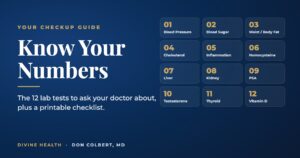
Inflammation and homocysteine are both quiet. Neither typically causes symptoms you can feel, and neither is reliably included in a basic checkup. Together they give you and your doctor a clearer window into vascular and brain health than cholesterol alone. If you are building your list for your next appointment, see our full 12 health markers checklist.
Shop the Article
Support for Inflammation and Brain Health

Brain Zone Basic
Methyl B12, P5P (active B6) and methylfolate to support healthy homocysteine metabolism and cognition.*
Shop Now →

Wild Alaskan Salmon Omega-3
EPA and DHA from wild-caught salmon to support heart, brain and joint health.*
Shop Now →

High Potency Turmeric Curcumin
500 mg of 95% curcuminoids with BioPerine to support a healthy inflammatory response.*
Shop Now →

Reversing Inflammation (Book)
Dr. Colbert’s faith-based guide to diet and lifestyle for a healthy inflammatory response.
Shop Now →
*These statements have not been evaluated by the Food and Drug Administration. These products are not intended to diagnose, treat, cure, or prevent any disease.
✝ Faith & Health
Peace for the Mind and Body
Chronic stress keeps the body on high alert. Dr. Colbert reminds readers that casting your cares on God, getting real rest and choosing gratitude are not just spiritual disciplines. They support a calmer, healthier body too.
“A merry heart does good, like medicine, but a broken spirit dries the bones.”Proverbs 17:22 (NKJV)

New from Dr. Don Colbert, MD
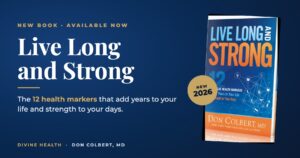
Get Your Copy of Live Long and Strong
The twelve health markers that add years to your life and strength to your days. Paperback, 208 pages.
Order the Book →
Frequently Asked Questions
What is a good hs-CRP level?
Widely used cardiology guidance considers an hs-CRP under 1.0 mg/L lower cardiovascular risk, 1.0 to 3.0 mg/L average risk, and above 3.0 mg/L higher risk. A recent infection or injury can temporarily raise CRP, so your doctor may recheck an elevated result.
What is a normal homocysteine level?
Many laboratories flag homocysteine above about 15 micromoles per liter. Some physicians prefer to see lower levels. Ask your doctor what target is right for you.
Which B vitamins are involved in homocysteine metabolism?
Folate, vitamin B12 and vitamin B6 are the primary nutrients that help the body process homocysteine. Riboflavin (B2) also plays a supporting role.
Can diet help support a healthy inflammatory response?
Yes. Research consistently associates Mediterranean-style eating patterns rich in vegetables, olive oil, fish, nuts and berries, with lower markers of inflammation, while diets high in sugar and ultra-processed foods are associated with higher levels.
Is homocysteine included in a standard blood test?
Usually not. Homocysteine and hs-CRP typically need to be requested specifically, so ask your physician at your next visit.
Medical Disclaimer: This article is for educational purposes only and is not a substitute for professional medical advice, diagnosis, or treatment. Always talk with your physician before changing your diet, starting a supplement, or adjusting any medication, and ask your doctor which lab tests are right for you. Lab reference ranges vary by laboratory. *These statements have not been evaluated by the Food and Drug Administration. Divine Health products are not intended to diagnose, treat, cure, or prevent any disease.