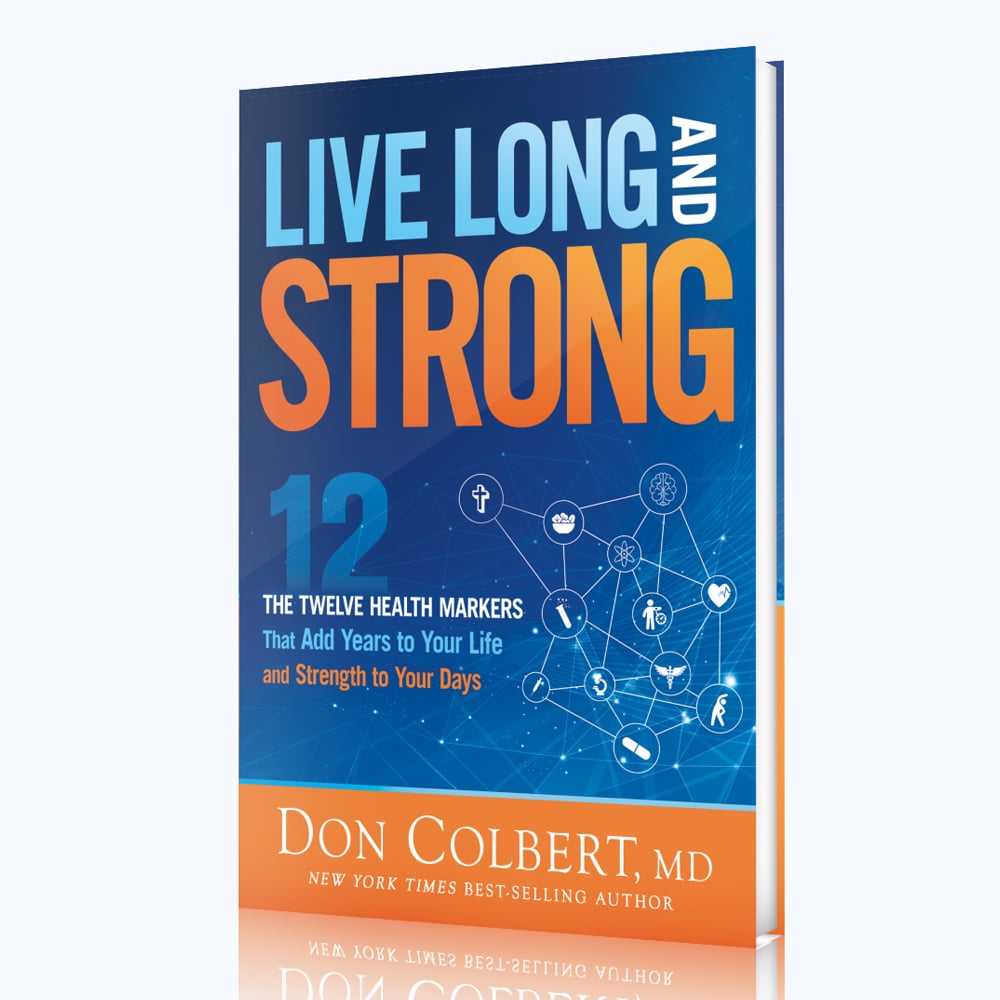
Your annual checkup is one of the best opportunities you have to see where your health is headed. Here is a practical, print-friendly guide to the twelve health markers from Dr. Colbert’s new book, Live Long and Strong, and how to talk about them with your doctor.
- ◆Most of the twelve markers can be checked with a standard blood draw plus a blood pressure cuff and a tape measure.
- ◆A few valuable tests, like hs-CRP, homocysteine, fasting insulin and free T3, are not always part of routine bloodwork, so you may need to ask.
- ◆Look at trends over time, not just whether a number is flagged “high” or “low.”
- ◆Use the checklist below to prepare for your next appointment.
Why “Normal” Isn’t Always the Whole Story
Lab reference ranges are built from large populations, and many of those people are not especially healthy. That is why so many people hear “everything looks fine” while they still feel exhausted, foggy or inflamed. A number can sit inside the reference range and still be drifting in the wrong direction year after year.
Dr. Colbert’s approach in Live Long and Strong is simple: know your numbers, watch your trends, and act early, when small changes in food, movement, sleep, stress and nutrition can still make a big difference.
The 12 Markers at a Glance
Bring this table to your next visit. Reference values below are general guidelines from widely used medical sources; your lab and your physician will interpret your results in context.
| Marker | Test to Ask For | What It Reveals | General Guideline |
|---|---|---|---|
| 01 Blood Pressure | Cuff reading at home or in the office | Force on artery walls with each heartbeat | Under 120/80 mmHg is considered normal (AHA) |
| 02 Blood Sugar | Fasting glucose, Hemoglobin A1c, fasting insulin | How well your body handles sugar and insulin | Fasting glucose under 100 mg/dL; A1c under 5.7% |
| 03 Waist / Body Fat | Tape measure at the navel; waist-to-height ratio | Visceral (belly) fat around the organs | Waist under half your height is a helpful goal |
| 04 Cholesterol | Lipid panel; ask about ApoB or particle testing | Fats in the blood and how they are carried | Ask your doctor to review the full panel, including triglycerides and HDL |
| 05 Inflammation | High-sensitivity C-reactive protein (hs-CRP) | Low-grade, body-wide inflammation | Under 1.0 mg/L is considered lower cardiovascular risk |
| 06 Homocysteine | Plasma homocysteine | B-vitamin status and vascular and brain stress | Many labs flag above about 15 µmol/L; ask what is optimal for you |
| 07 Liver Markers | ALT, AST, GGT (part of a metabolic panel) | Liver stress from sugar, alcohol, medications or fatty liver | Your lab report will list its reference range |
| 08 Kidney Markers | eGFR, creatinine, BUN, urine albumin | How well your kidneys filter the blood | eGFR of 60 or higher is generally considered normal |
| 09 PSA (men) | Prostate-specific antigen | A prostate screening conversation | Discuss timing and interpretation with your doctor |
| 10 Testosterone | Total and free testosterone (morning draw) | Energy, muscle, mood and drive in men and women | Ranges vary by age and sex; track your trend |
| 11 Thyroid | TSH, free T4, free T3, TPO antibodies | The pace of your metabolism and energy | Ask for more than TSH alone if you have symptoms |
| 12 Vitamin D | 25-hydroxy vitamin D | Vitamin D stores for immunity, bones and mood | Under 20 ng/mL is generally considered deficient |
Swipe the table sideways on mobile to see every column.
How to Prepare for Your Blood Draw
- ✓Fast for 10 to 12 hours (water is fine) so glucose, insulin and triglycerides are accurate.
- ✓Schedule a morning appointment. Testosterone and cortisol are highest early in the day, so morning draws are the most useful.
- ✓Stay hydrated. Mild dehydration can nudge kidney numbers and make the draw harder.
- ✓Skip intense workouts for 24 to 48 hours. Hard exercise can temporarily raise liver enzymes and CRP.
- ✓Bring a list of every supplement and medication. Biotin, for example, can interfere with some thyroid tests, so ask your doctor whether to pause it beforehand.
- ✓Ask for copies of your results so you can track them year over year.
2. Should we check free T3 and free T4, not just TSH?
3. Is my waist-to-height ratio putting me at higher risk?
4. How do my numbers compare with last year?
5. Which one or two markers should I focus on first?
6. Are any of my supplements or medications affecting my results?
Start With the Markers That Move Fastest
Dr. Colbert encourages readers not to tackle all twelve at once. Pick the one or two that are furthest from healthy and build habits around them. The good news is that many markers respond to the same foundation:
- ✓Eat whole, anti-inflammatory foods and cut back on sugary drinks, refined carbs and ultra-processed foods.
- ✓Walk daily and add strength training two to three times a week to support blood sugar, blood pressure and waist size.
- ✓Prioritize seven to nine hours of sleep and manage stress, which affect cortisol, blood sugar and blood pressure.
- ✓Consider time-restricted eating if your physician agrees it is right for you.
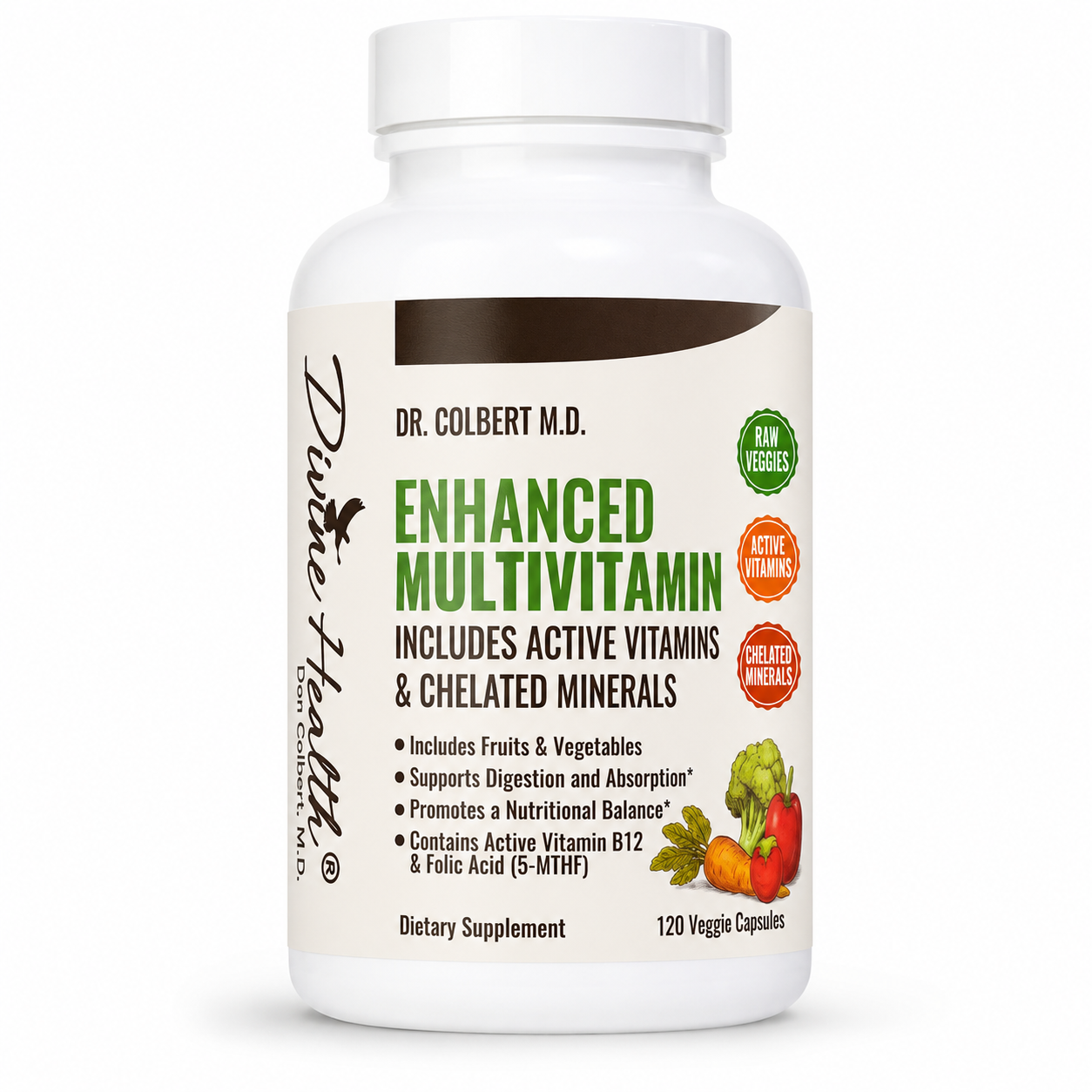
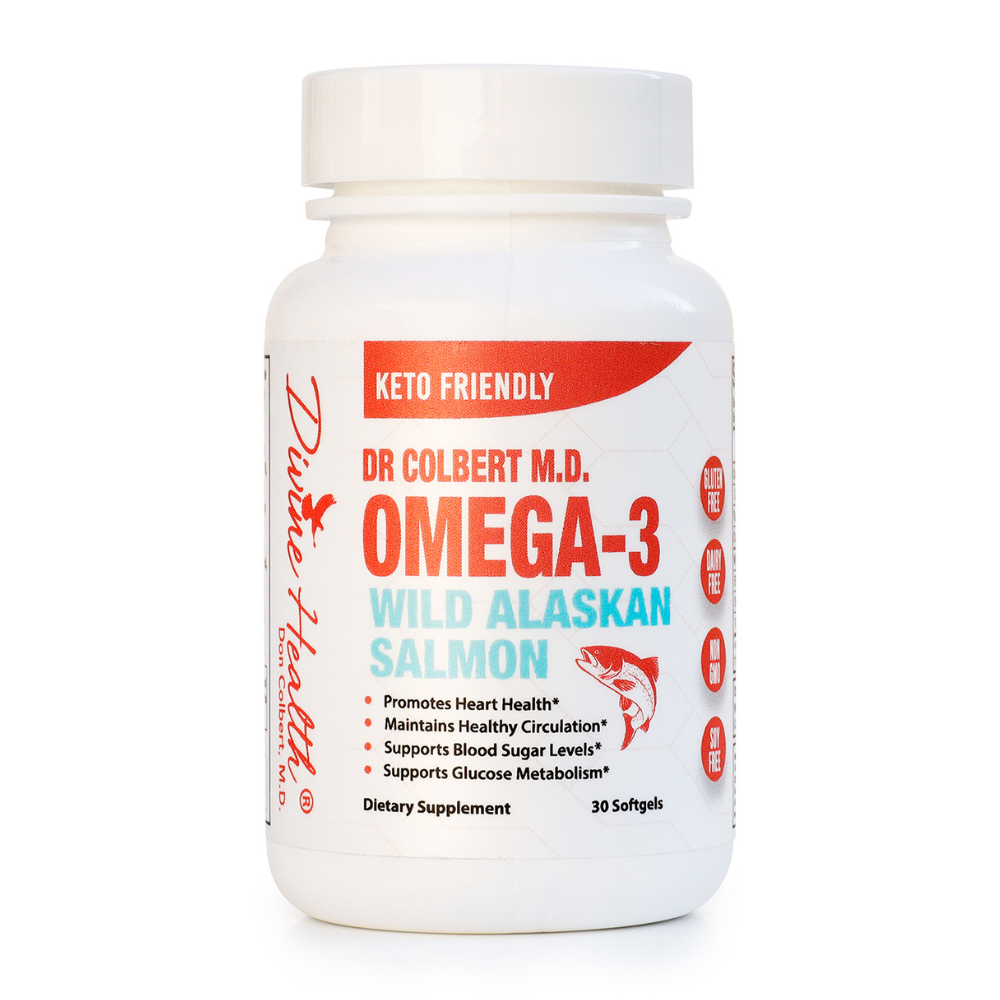
- ✓Fill common nutrient gaps such as vitamin D, omega-3s, magnesium and B vitamins.